Source High Capacity Fries Display Warmer for Bread Cake Chips
Compare 30 high capacity fries display warmer units from verified Chinese manufacturers. These electric warmers feature stainless steel construction, CE certification, and voltage options of 110V or 220V for commercial food service applications.
Key considerations
Products List


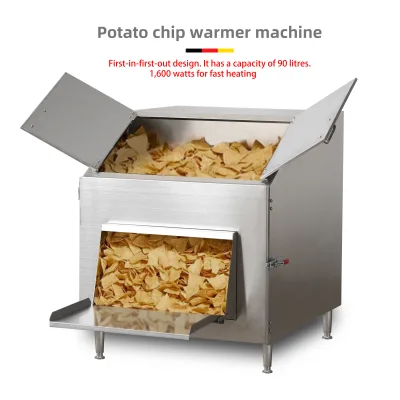


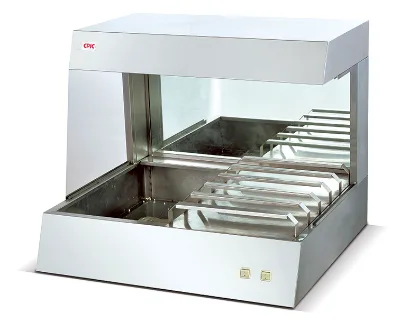
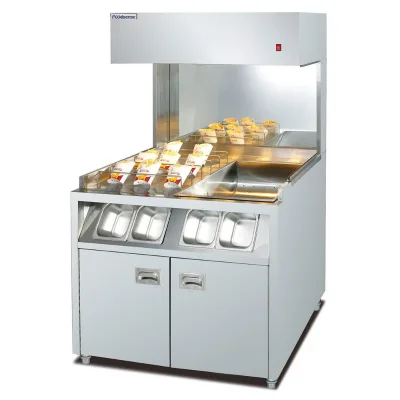
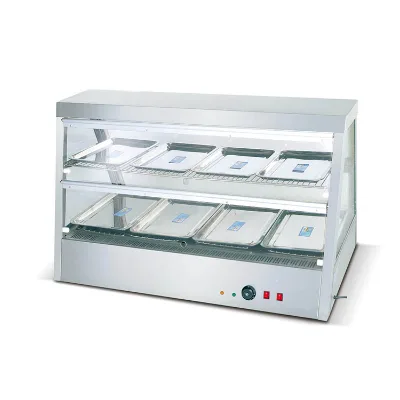
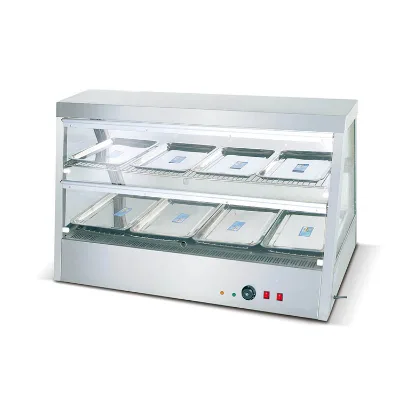


Comprehensive Sourcing Guide
Strategic Sourcing Guide for High Capacity Fries Display Warmers
Understanding the Technical Landscape of Display Warmers
When sourcing a high capacity fries display warmer, buyers must first navigate the complex array of technical specifications that define operational efficiency and product integrity. The core function of these units is to maintain optimal serving temperatures for fried foods without compromising texture or safety. Based on observed market data, the power requirements for these units typically center around 1600 watts, though variations exist depending on the specific model and intended capacity. Voltage compatibility is a critical initial filter; the market presents units operating at 220V, 110V/220V, or specifically 220V/50HZ configurations. This variability necessitates a rigorous verification of local electrical infrastructure before procurement to prevent equipment failure or the need for costly transformers.
The physical construction of these warmers is predominantly stainless steel, with some specifications noting Stainless Steel 201 as a standard material grade. This material choice is essential for food safety, corrosion resistance, and ease of cleaning in high-volume environments. The dimensions of the units vary significantly to accommodate different space constraints and capacity needs. Observed standard sizes include configurations such as 1000x770x1510mm, 1000x700x1500mm, and more compact units like 660820800mm or 700640730mm. Buyers must align these physical dimensions with their available floor space and workflow requirements. Furthermore, the temperature control capabilities are a defining feature; units are observed to operate within a range of Room Temperature to 65 Degrees Celsius. This specific range is crucial for keeping fries warm without drying them out or causing them to become soggy, which is a common failure point in lower-quality warmers.
Compliance and Certification Verification Protocols
In the realm of commercial food equipment, compliance is not merely a formality but a fundamental requirement for operational legality and safety. The supply chain for these units frequently cites CE certification as a standard attribute. While the presence of CE marking is a strong indicator of adherence to European health, safety, and environmental protection standards, buyers must verify that the certification is current and applies specifically to the model being purchased. Additionally, while ISO 9001 and ISO 9000 are often referenced in broader industry contexts as markers of quality management systems, these should be treated as background indicators rather than guaranteed product-specific attributes unless explicitly confirmed in the supplier's documentation.
Safety is paramount, and many units highlight a "High Safety Level" as a key selling point. This claim should be substantiated through the presence of specific safety mechanisms, such as automatic shut-offs or thermal protection, which are often integrated into the design. The "Automatic Grade" of the equipment is typically classified as Semi-Automatic, meaning that while the heating and holding functions are automated, manual loading or unloading may be required. Buyers should also investigate the presence of a timing device. The market offers both units with timing devices and those without. For high-volume operations where batch consistency is critical, a unit with a timing device allows for precise control over heating cycles, whereas units without this feature rely on manual monitoring or fixed timers.
Cost Drivers and Pricing Dynamics
The pricing structure for high capacity fries display warmers is influenced by a confluence of factors, including material quality, electrical specifications, and packaging requirements. The observed price range in the market spans from approximately $55 to $1,339.58 USD. This wide disparity reflects the difference between basic, compact models and larger, industrial-grade units with advanced features. The higher end of the price spectrum often correlates with units featuring more robust stainless steel construction, precise temperature controls, and comprehensive safety certifications. Conversely, lower-priced units may utilize thinner gauge materials or lack advanced timing and safety features.
Beyond the unit cost, buyers must account for the Total Cost of Ownership (TCO), which includes shipping, packaging, and potential import duties. Packaging details vary significantly; some units are shipped in wooden boxes, while others utilize a combination of shrink film and wooden boxes, or foam and paper cartons for air freight. The choice of packaging directly impacts the shipping method and cost. For instance, units shipped by plane typically require lighter, foam-and-carton packaging, whereas those sent by ship may utilize plywood crates or wooden frames to withstand maritime conditions. The weight of the units also plays a role; observed net weights range from 38kg to 75kg, with some models weighing as little as 40kg. These weight variations affect freight charges and the logistics of receiving the equipment at the facility.
Typical Applications and Operational Versatility
High capacity fries display warmers are designed for a diverse range of food service applications, extending beyond just french fries. The observed usage data indicates that these units are versatile enough to handle bread, cakes, chips, and popcorn. This versatility makes them suitable for fast-food restaurants, cafeterias, convenience stores, and even catering services. The ability to maintain a temperature between room temperature and 65 degrees Celsius allows for the safe holding of various hot foods without overcooking them.
The application of these units often depends on the specific model's dimensions and capacity. Larger units, such as those with dimensions around 1000mm in width, are ideal for high-traffic areas where large volumes of food need to be displayed and kept warm simultaneously. Smaller units, with dimensions around 400380740mm, are better suited for counter-top applications in smaller establishments or as supplementary warming stations. The "High Safety Level" and "Easy To Operate" attributes are particularly relevant for applications where staff turnover is high or where operators may have varying levels of technical expertise. The ease of operation ensures that the equipment can be utilized effectively by a broad range of employees, reducing the risk of user error and ensuring consistent food quality.
Supplier Evaluation and Supply Chain Reliability
Selecting a reliable supplier is as critical as selecting the right equipment. The supply chain for these units is heavily concentrated in China, with the mainland identified as a primary place of origin. This concentration offers competitive pricing but requires careful vetting to ensure quality consistency. Buyers should prioritize suppliers who provide video outgoing-inspection services. This feature allows potential buyers to visually verify the condition, assembly, and functionality of the unit before it leaves the factory, significantly reducing the risk of receiving damaged or defective equipment.
The supply ability of the supplier is another key metric. A robust supplier should demonstrate a capacity to deliver at least 1000 sets per month, ensuring that they can meet demand spikes and maintain a steady supply chain. The Minimum Order Quantity (MOQ) is another factor to consider; observed MOQs range from 1 set to 30 units. For smaller buyers or those testing the market, an MOQ of 1 set is highly advantageous, allowing for low-risk procurement. Conversely, larger buyers may benefit from negotiating lower unit prices by meeting higher MOQ thresholds. The warranty period is also a critical indicator of supplier confidence; a standard warranty of 6 months is observed in the market, but buyers should seek to negotiate extended terms for high-volume purchases.
Quality Control and Long-Term Procurement Considerations
Quality control should be an integral part of the procurement process, extending beyond the initial purchase. Buyers must verify that the units are in "New" condition and that all components, including the heating elements and control panels, are functioning correctly upon delivery. The use of high-grade materials like Stainless Steel 201 is a baseline requirement, but buyers should also inspect the finish and weld quality to ensure durability. The "Single volume" and "Single gross weight" metrics, while sometimes listed as zero in generic data, should be verified against the actual product to ensure accurate shipping calculations and storage planning.
Long-term procurement considerations include the availability of spare parts and the ease of maintenance. Units with "Semi-Automatic" grades may require more frequent manual intervention, so understanding the maintenance schedule is essential. The "Key Selling Points" such as "High Safety Level" and "Easy To Operate" should be validated through user manuals and training materials provided by the supplier. Additionally, buyers should consider the port of dispatch, with Guangzhou being a common point of origin. This information is crucial for logistics planning and estimating lead times. Finally, the customization options available, such as specific voltage requirements or branding, should be discussed early in the negotiation process to ensure the final product meets the specific operational needs of the buyer.
Comparative Analysis of Key Specifications
To assist in decision-making, the following table summarizes the key technical and logistical attributes observed in the market for high capacity fries display warmers. This comparison highlights the variability in specifications that buyers must evaluate against their specific requirements.
| Attribute | Observed Range / Options | Critical Consideration |
|---|---|---|
| Voltage | 110V/220V, 220V, 220V/50HZ | Must match local grid infrastructure. |
| Power | 1 Kw, 1600 Watts | Determines energy consumption and circuit load. |
| Material | Stainless Steel, Stainless Steel 201 | Affects durability and food safety compliance. |
| Dimensions | 400380740mm to 1000x770x1510mm | Must fit available floor space and workflow. |
| Weight | 38kg to 75kg | Impacts shipping costs and handling requirements. |
| Temperature | Room Temp ~ 65°C | Optimal for holding fries without drying. |
| Timing Device | With or Without | Determines batch control and automation level. |
| Certification | CE (Common), ISO (Background) | Verify current status for legal compliance. |
| Warranty | 6 Months (Standard) | Negotiate terms for long-term protection. |
| MOQ | 1 set to 30 units | Influences initial investment and inventory risk. |
This structured approach to sourcing ensures that buyers can make informed decisions based on verified data rather than marketing claims. By focusing on technical specifications, compliance, and supplier reliability, organizations can secure high-capacity fries display warmers that enhance operational efficiency and food quality.
FAQs
What voltage options are available for high capacity fries display warmers?
Units are available in 220V, 110V/220V, and 220V/50HZ configurations. Buyers must verify local electrical infrastructure before procurement to prevent equipment failure or the need for costly transformers.
Can I find high capacity fries display warmers with timing devices?
Yes, the market offers both units with and without timing devices. For high-volume operations where batch consistency is critical, a unit with a timing device allows for precise control over heating cycles.
Which materials are used to construct high capacity fries display warmers?
The construction is predominantly stainless steel, with some specifications noting Stainless Steel 201 as a standard material grade. This material choice is essential for food safety, corrosion resistance, and ease of cleaning.
How does the temperature control work on these display warmers?
Units operate within a range of Room Temperature to 65 Degrees Celsius. This specific range is crucial for keeping fries warm without drying them out or causing them to become soggy.
What is the typical MOQ for ordering high capacity fries display warmers?
Observed MOQs range from 1 set to 30 units. For smaller buyers or those testing the market, an MOQ of 1 set is highly advantageous, allowing for low-risk procurement.
Are CE certifications standard for high capacity fries display warmers?
CE certification is frequently cited as a standard attribute for these units. Buyers must verify that the certification is current and applies specifically to the model being purchased for legal compliance.
What packaging options are available for shipping these warmers?
Packaging varies from wooden boxes to shrink film plus wooden boxes, or foam and paper cartons. The choice of packaging directly impacts the shipping method and cost depending on whether the unit is sent by plane or ship.